Humankind’s collective identity can often be traced through its food. Recipes passed down across generations not only preserve flavors but also carry cultural memory, values, and social bonds.
Exploring global dishes offers more than taste; it builds bridges between heritage and community. Here’s how cooking across borders deepens connection, fosters belonging, and keeps tradition alive.
Food as Cultural Storyteller
Every cuisine is a narrative of geography, history, and tradition. Traditional recipes, cooking techniques, and dining rituals form part of intangible cultural heritage, passed down through generations, embodying shared values and beliefs.
In multicultural societies, observing how food practices reflect identity highlights meaningful insights into social structures and cultural roles.
Global Cuisine Builds Community and Acceptance
Introducing foods from different cultures can expand palates and social bonds. Studies have found that exposure to culturally diverse ingredients increases acceptance and willingness to explore new dishes by up to 40%.
Meanwhile, hands-on culinary experiences, such as global cuisine classes that teach tradition alongside technique, often nurture understanding and empathy across backgrounds, encouraging meaningful engagement.
Sharing Traditions, Strengthening Identity
Cooking classes and eating global cuisines promote identity affirmation and community resilience, especially among migrant populations. Preparing heritage-based meals at home helps preserve cultural roots and alleviate feelings of isolation.
On a broader scale, food acts as a vessel for cultural diplomacy: culinary tourism (including activities like taking cooking classes abroad) engages many travelers in food-related experiences, fostering mutual appreciation.
Why Global Cuisine Classes Matter
When a global cuisine class introduces participants to dishes like paella, tagine, or dumplings, it’s not just about ingredients; it’s about the festivals they’re served at, the stories behind each spice, and the community gatherings they inspire.
Global cuisine classes are microcosms of cultural exchange, inviting hands-on learning of both technique and tradition. They allow individuals to connect over shared chopping boards, stories, and tastes.
Moreover, experiential cooking, as seen in community cooking sessions, builds emotional connection. According to recent reports, cooking together fosters intimacy, eases communication, and strengthens bonds, becoming “a non-threatening, less vulnerable setting for meaningful interaction.”
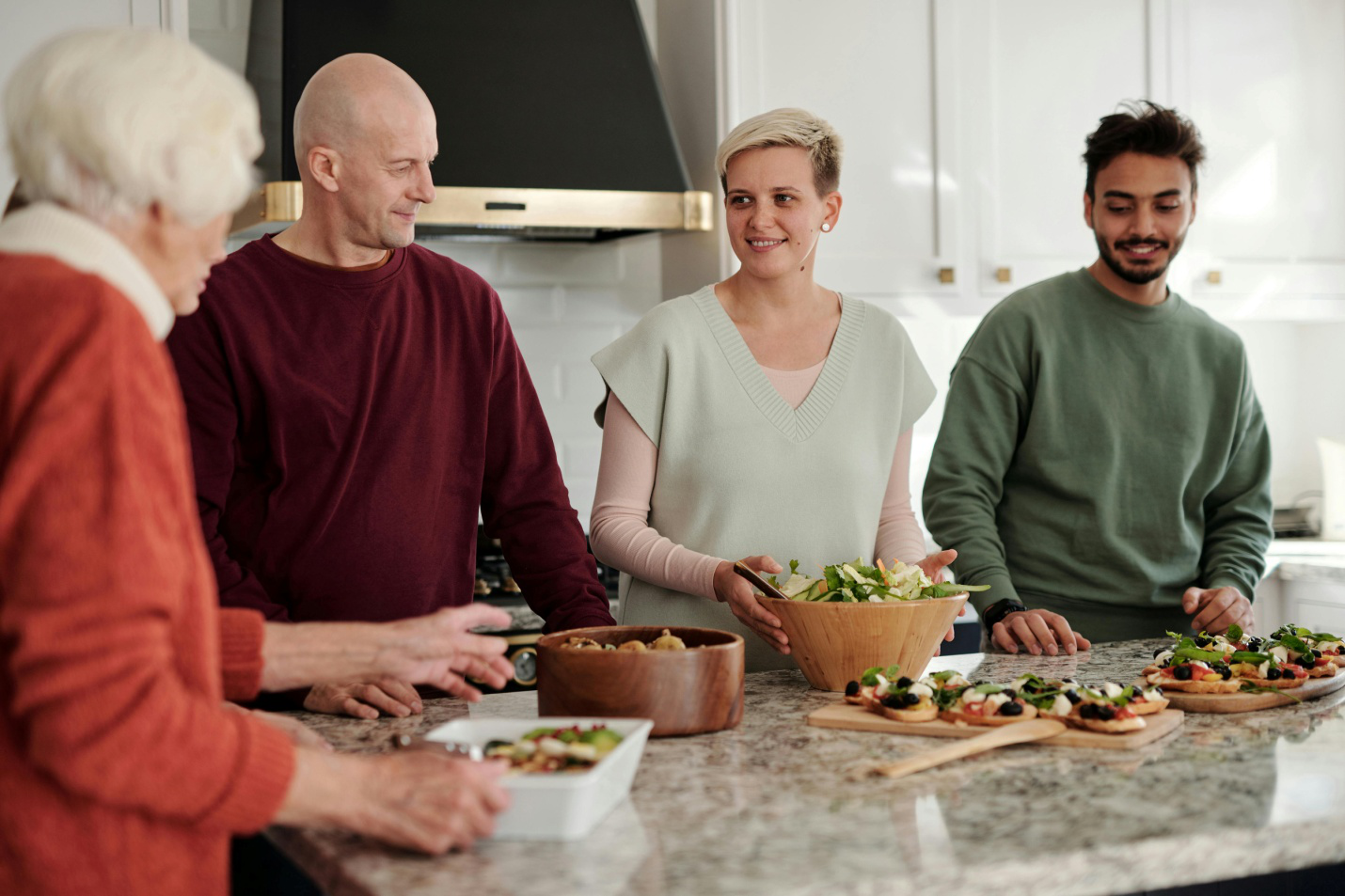
Exploring food from around the world is less about recipes and more about the stories, values, and traditions carried through every dish.
Journey Culinary embraces this idea through immersive offerings of global cuisine classes that range from Mediterranean cooking classes in Longmont to French cooking classes in Fort Collins, and more.
Each experience is designed to teach not just technique, but also the culture and community that give those flavors meaning. Whether joining a class for enrichment, planning private cooking events in Longmont, or deepening skills through hands-on cooking workshops in Boulder, participants walk away with more than meals; they gain connection and appreciation for traditions that span the globe.
Make cooking a pathway to culture, community, and shared stories; explore our class calendar and join today.